Sleep Science 101: How Modern Research Shapes Your Nightly Rest
Exploring the latest findings in sleep science, mattress design, and daily habits to help you sleep better—tonight, and every night.
In the quiet hours when the world reduces its tempo, the brain performs its most intimate work: consolidating memories, stabilizing mood, and recalibrating the body's metabolism. Sleep science, once a fringe field, has become a daily companion for anyone who cares about health, productivity, and well-being. The discipline is now a chorus of studies—neuroscience, endocrinology, physiology, and behavioral psychology—speaking in harmonies about how we sleep, when we sleep, and what helps us sleep better.
What follows is a guided tour through contemporary sleep research and its practical implications for the way we choose mattresses, design sleep environments, and structure nightly routines. It is not a laboratory manual but a map for everyday life: how to align your circadian biology with modern living, how to curate a sleep-friendly bedroom, and how to borrow insights from science to improve mood, memory, and resilience.
Why Sleep Science Matters in Everyday Life
Sleep is a biological necessity, but the way we experience it differs by individual and circumstance. The nervous system requires a balance between high-frequency brain activity during wakefulness and slow-wave activity during sleep to optimize learning and emotional regulation. Contemporary research emphasizes:
- Sleep architecture: The progression through sleep stages—N1, N2, N3 (deep sleep), and REM—drives restoration of memory circuits and emotional processing.
- Circadian timing: The body’s internal clock coordinates hormone release, core body temperature, and metabolic processes. Exposure to natural morning light and darkness at night helps keep this clock in sync.
- Environment and comfort: Temperature, noise, light, and bedding influence sleep continuity and perceived restfulness.
These strands cohere into a practical truth: the right mattress and sleep environment are not mere luxuries but functional tools for health. A mattress that balances pressure relief with support, plus a bedroom tuned for circadian rhythm, can shape the trajectories of attention, mood, and metabolic regulation across days and weeks.
Key Concepts and Practical Tips from Recent Studies
Drawing from recent studies, here are actionable takeaways you can apply without waiting for a sleep-lab appointment:
- Consistent bedtimes and wake times matter more than occasional long nights. A stable schedule supports the brain’s memory consolidation and reduces morning grogginess.
- Light exposure shapes the circadian rhythm. Morning light helps advance your clock, while dimming lights and limiting blue-light exposure in the evening signals your body to prepare for sleep.
- A pre-sleep wind-down routine improves sleep onset. Activities that lower physiological arousal—gentle stretching, reading, journaling—facilitate transition to sleep more smoothly than screens or high-stimulation behaviors.
- Temperature matters. A cooler sleeping environment (roughly 60–67°F or 15–19°C) often supports deeper sleep; bedding materials that optimize moisture management aid thermoregulation.
These guidelines, while simple, become powerful when integrated into a daily rhythm. They also align with product choices that many readers will consider—mattresses, toppers, protectors, and sheets designed to support comfort, temperature regulation, and hygiene.
Mattress Types and How They Interact with Sleep Biology
The modern sleep environment is a spectrum, from memory foam to latex, hybrid constructions to natural materials. Each category interacts with sleep biology in distinct ways:
- Memory foam and viscoelastic layers: Known for contouring support, memory foam can relieve pressure points and promote spinal alignment. The trade-off is that some sleepers perceive slower cooling; modern variants often include open-cell structures or breathable covers to address this.
- Latex and natural materials: Natural latex offers resilient support with excellent temperature regulation and bounce. It tends to respond quickly to movement, reducing sleep transfer and offering durable sleep surfaces.
- Hybrid constructions: Hybrids attempt to balance pressure relief with temperature control and airflow, combining foam or latex with innerspring cores. For many, hybrids deliver the best of both worlds—the contouring comfort of foam and the responsiveness of coils.
- Cooling-focused fills and covers: Climate-friendly fabrics and moisture-wicking covers help bodies regulate temperature, especially for those who overheat at night.
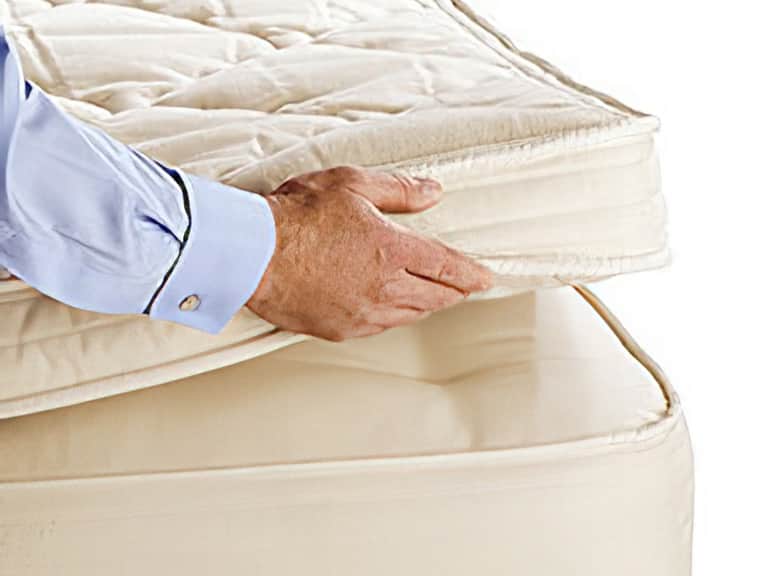
Beyond core materials, the surrounding bedding plays a meaningful role. A topper such as the Royal-Pedic Natural Latex Pillowtop Pad can provide additional pressure-point relief for shoulders and hips, layering comfort on top of the mattress while preserving the underlying support. This is an example of how a thoughtful accessory complements a core mattress to support healthy sleep across sleep stages.
Best Practices for a Sleep-Positive Bedroom
Science increasingly supports what interior design has long known: the bedroom is a sanctuary for restorative biology. The following practices help align sleep with physiology:
- Optimize ambient light. Consider blackout curtains or blinds to minimize light exposure during nighttime awakenings and a warm, amber-toned lighting scheme for evenings to promote melatonin production.
- Control noise. If sound is disruptive, explore white noise devices or earplugs designed for comfort and sleep continuity.
- Invest in a breathable, temperature-regulating surface. Materials rich in natural fibers, with moisture-wicking properties, can help maintain a stable microclimate around the body during the night.
- Keep the bed inviting and clean. Bedding that accommodates regular washing and uses hypoallergenic materials can reduce irritants and improve sleep quality for sensitive individuals.
The browsing of curated products in this space, like a high-quality organic mattress protector or a luxuriously breathable linen sheet set, becomes part of the science of better sleep, not a distraction from it.
Three Key Figures in Sleep Science Across Time
From ancient observations to modern neuroscientific breakthroughs, three figures illuminate the evolving understanding of sleep. Each represents a different era and a different lens on how we study rest.
Hippocrates (c. 460–370 BCE)
The father of medicine, whose writings imply a link between bodily states and sleep, foreshadowing the idea that rest is not a passive state but an essential component of health. In classical observations, sleep is a ritual of recovery and balance—an early whisper of a science that would later demand empirical light.
Hans Berger (1873–1941)
The German physician who pioneered electroencephalography (EEG) in the 1920s, enabling scientists to glimpse the brain’s electrical symphonies during sleep. His work opened the door to understanding sleep stages and the neural choreography of rest, turning sleep from anecdote into data.
Matthew Walker (born 1965)
A contemporary neuroscientist whose popular writings and academic research synthesize complex sleep biology for broad audiences. Walker’s work on circadian rhythms, memory consolidation, and the emotional architecture of sleep has helped translate lab findings into practical life adjustments—a bridge between laboratory and living room.
A Cultural Moment: Sleep as a Daily Practice
Sleep is at once a private ritual and a public health matter. The modern consumer landscape—beds, toppers, sheets, blankets, and even adjustable bases—offers a constellation of choices to optimize sleep. The New Yorker’s sensibility, with its emphasis on nuanced observation and humane detail, invites us to consider sleep not merely as a medical condition to be treated but as a cultural practice to be understood and refined.
Consider the ceremonial cadence of slipping into a well-made bed: the whisper of a cushiony pillowtop, the hush of linen sheets, the deliberate dimming of lights, the uniformity of a bedtime ritual that signals the brain to release its nocturnal expectations. Sleep, finally, is a form of quiet resilience—an art of letting go and restoring self, one night at a time.
A Sleep-Science-Informed Shopping Guide
To translate science into everyday shopping, here is a compact guide to selecting sleep essentials aligned with recent research:
- Mattress firmness and contour matter, but personal preference remains crucial. Prioritize a surface that supports spinal alignment while relieving pressure at the hips and shoulders. A topper or a latex layer can provide extra cushioning where needed, as with the Royal-Pedic Natural Latex Pillowtop Pad.
- Breathability and moisture management are essential for temperature stability, especially for hot sleepers. Materials like organic cotton, wool, and latex blends help regulate microclimates within the bed system.
- Quality pillow choice matters for neck and shoulder alignment. Look for pillows with adjustable loft or materials that promote air circulation for a cooler night.
- Protectors and sheets deserve consideration too. GOTS-certified organic protections and percale or sateen sheets with the right thread count offer a balance of softness, durability, and breathability.
A Glimpse of the Product Landscape
To illustrate the breadth of options, consider a curated selection from a marketplace that emphasizes organic materials and sensitive sleepers. Among the offerings:
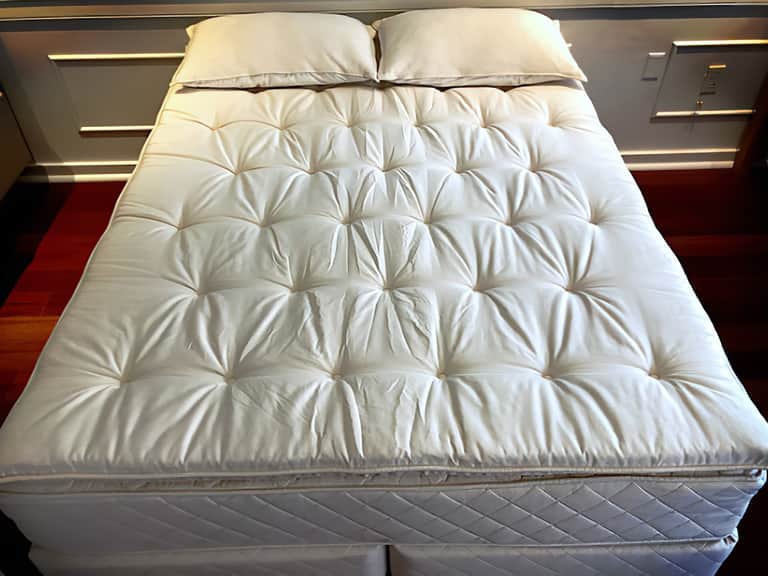
- The Royal-Pedic Natural Latex 3" Pillowtop Pad, a luxurious addition that sits atop the mattress to provide extra cushioning for hips and shoulders. Its premium cotton canvas cover and all-natural latex layering reflect a philosophy of comfort rooted in natural materials.
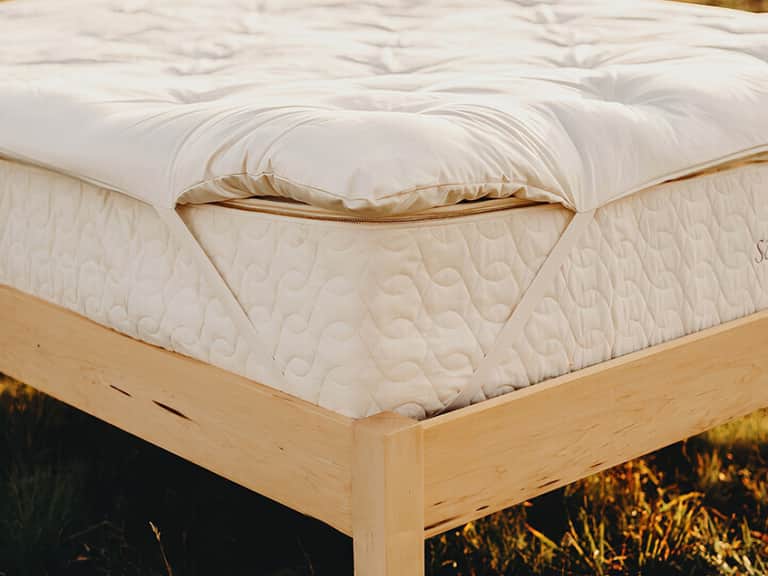
- The Savvy Rest Natural Savvy Woolsy Mattress Topper, a three-inch wool-dense topper that embodies wool’s natural moisture-wicking and temperature-regulating properties. It’s a reminder that sometimes the simplest materials produce the most profound comfort.
- A modern latex-forward mattress such as the Hudson Luxe Latex Mattress, which pairs certified organic Dunlop latex with wool and cotton to create a breathable, nourishing sleep environment that appeals to eco-conscious sleepers.
These items illustrate a broader ethos: sleep is increasingly understood as a holistic system in which materials, textures, and environments converge to support restorative rest. They also speak to the enduring appeal of natural fibers and the ongoing fascination with luxurious, wellness-oriented sleep products.
Conclusion: Sleep as a Daily Practice of Intelligence, Care, and Craft
Modern sleep science affirms what ancient sages intuited and what countless sleepers have learned through lived experience: rest is not a trivial luxury but a dynamic, essential practice that shapes health, memory, mood, and daily performance. By aligning bedtime routines with circadian biology, selecting sleep surfaces that balance support and airflow, and curating an environment that signals the brain to rest, we can transform nights into a durable source of resilience.
In the words of contemporary researchers and thoughtful designers alike, sleep is a civic act of self-care. The discipline invites us to be precise without being austere, to calibrate comfort without sacrificing personalization, and to embrace the quiet as a productive, restorative habit. The science, the crafting of sleep spaces, and the rituals we build around them converge into a single, generous proposition: rest well, live well.
Notes on Product Imagery and Availability
As requested, this article references specific products that illustrate the spectrum of sleep optimization—ranging from toppers to latex mattresses. Images are available for the chosen products to enhance comprehension and to provide visual context for readers exploring these items. If you would like, I can embed product thumbnails and direct links to each item so readers can inspect materials, certifications, and care guides in detail.