The Science of Sleep: How Sleep Stages Impact Your Health
A deep dive into the architecture of slumber, its impact on memory, mood, immunity, and the practical rituals that synchronize our nights with our bodies.
Published August 5, 2026 • By You, for the curious reader who wants to sleep better tonight.
A Primer on Sleep Architecture
Sleep is not a single, static state but a rhythmic orchestra conducted by the brain. It unfolds in cycles, each cycle containing a sequence of non-rapid eye movement (NREM) and rapid eye movement (REM) stages. The ebb and flow of these stages—N1, N2, N3 in the non-REM family, and REM—constitute what scientists call sleep architecture. As we drift from waking to sleep, the brain orchestrates a shifting landscape of brain waves, muscle tone, heart rate, and brain temperature.
Understanding these stages is not merely a parlor trick for insomniacs. Each stage serves a distinct biological function. NREM, especially the deep slow-wave component N3, anchors physical restoration, immune function, and metabolic regulation. REM sleep, by contrast, is a crucible for memory consolidation, emotional processing, and creative problem-solving. The interplay between these stages shapes daytime performance, mood stability, and resilience to stress.
Think of sleep as a nightly performance in which the brain rehearses, rehearses again, and then writes new scripts for tomorrow. The timing, duration, and quality of each stage determine the overall reliability of that performance. Disruptions to one act reverberate across the entire night, affecting how refreshed we feel upon waking and how we cope with the day ahead.
The Stages in Detail: What Happens When We Sleep
NREM sleep is traditionally segmented into stages that move from lighter to deeper sleep. N1 marks the transition from wakefulness to sleep, a fleeting window of drifting awareness. N2 introduces a steadier rhythm, with sleep spindles and K-complexes that protect sleep from minor disturbances. N3, or slow-wave sleep, is the deepest stasis of the night, where tissue repair, growth hormone release, and immune function reach a crescendo. In this stage, the brain consolidates declarative memory—the facts and events of the day.
REM sleep emerges as the other half of the moon. Characterized by rapid eye movements, sawtooth EEG patterns, and vivid dreaming, REM sleep is a laboratory of emotional regulation and procedural memory formation. The brain appears highly active, yet the body is effectively paralyzed—a natural safeguard against acting out dreams. This paradox—high neural activity with muscular atony—speaks to the night’s dual mission: memory integration and emotional equilibrium.
The cycling between stages is not merely a countdown but a choreography. A typical adult cycles through roughly four to six cycles per night's sleep, with each cycle lasting around 90 to 120 minutes. The distribution of stages shifts across the night: deep N3 predominates in the early part of the night, while REM periods lengthen toward morning. This temporal distribution aligns with our circadian rhythms and homeostatic sleep pressure, weaving a tapestry that supports both recovery and mental agility upon waking.
Health Implications: Why Each Stage Matters
Memory and learning hinge on the precise timing of sleep stages. Slow-wave sleep consolidates episodic and semantic memory, while REM sleep fortifies emotional memory and adaptation to stress. When sleep architecture is fragmented, memory retrieval falters, problem-solving abilities wane, and mood regulation becomes precarious. Immune function, metabolic health, and cardiovascular stability also ride on the quality of the night’s architecture. For example, insufficient slow-wave sleep correlates with impaired glucose metabolism and heightened inflammatory markers, while disrupted REM can amplify affective instability and rumination.
Circadian alignment—the synchronization of our internal clock with the 24-hour day—further colors the experience of sleep. Light exposure in the morning helps lock in the desired timing, ensuring the brain anticipates wake and rest in a manner that supports hormone release, including melatonin and cortisol rhythms. The interplay between circadian biology and sleep architecture means that even if you spend eight hours in bed, misalignment can erode the restorative quality of sleep.
Practical Strategies to Promote Balanced Sleep Architecture
A well-nourished night begins with predictable routines. Consistency matters more than intensity. Going to bed and waking at the same time anchors your circadian rhythm, reducing the guesswork your brain undertakes as it decides when to flip between stages. If you want to optimize REM density and deep sleep, consider these practical steps:
- Establish a wind-down ritual that signals bedtime—dim lights, gentle stretches, or a quiet read—while avoiding stimulating screens in the final hour.
- Expose yourself to bright light in the morning to reinforce the day-night cycle, and minimize bright, blue-rich light in the hours leading up to sleep.
- Mind the caffeine clock. Avoid caffeine after mid-afternoon to prevent interference with sleep onset and the subsequent architecture.
- Craft a sleep environment that respects temperature, noise, and darkness. A comfortable mattress and pillow that suit your body's needs can dramatically influence sleep stages, especially the transition into deeper NREM sleep and the stability of REM periods.
- In moments of stress, consider a brief pre-sleep mindfulness practice. Relaxation can reduce adrenaline and cortisol, smoothing the night’s transitions and preserving the fidelity of REM and slow-wave sleep.
The Mattress as a Stagehand: How Bedding Aligns with Sleep Rhythms
A word on the stage where the sleep theater unfolds: the mattress, pillows, and bedding. While the brain choreographs the script of sleep stages, the bed provides the stage direction. An intimately comfortable surface reduces micro-arousals—those tiny awakenings that disrupt slow-wave sleep and fragment REM. The right combination of support and pressure relief keeps hips, shoulders, and neck properly aligned, encouraging deeper, more restorative cycles.
In this piece, we drift toward a philosophy of sleep that marries science with sensibility. The modern bedroom asks for products that honor both health and pleasure. Among the many options in the market, consider how a high-quality topper or a natural latex pillow might subtly influence the quality of a night’s rest. The sensation of waking without stiffness, the absence of that nagging fatigue—these are the quiet outcomes of a sleep architecture that has had its daily rituals respected.
A Time-Travel Tour: Three Key Figures in the Science of Sleep
To illuminate the enduring arc of sleep science, we travel through time, meeting three figures whose ideas reframed our understanding of the night.
Hippocrates (c. 460–370 BCE)
Ancient medicine treated sleep as a natural deposit of the body’s humors. While their language differs from ours, the idea that sleep serves a healing function persists. Hippocratic thought positioned sleep as a restorative ritual, a notion that still resonates when we consider the immune system’s nightly repair work.
Impact: Framing sleep as essential to health, a precursor to later explorations of sleep’s restorative duties.
Hans Berger (1880–1941)
A pioneer of modern neuroscience, Berger’s work on brain activity laid the groundwork for electroencephalography (EEG). His tools helped translate the sleeping brain’s rhythms into measurable signals, enabling later researchers to map distinct stages of sleep with empirical clarity.
Impact: The dawn of objective sleep staging, the precursor to REM and NREM delineations.
Matthew Walker (b. 1969)
A contemporary luminary, Walker’s work on sleep and circadian rhythms has popularized the science for broad audiences. His explorations of how sleep supports learning, memory, and emotional regulation have shaped public understanding and medical discourse about sleep health.
Impact: Linking sleep stages with cognitive function and metabolic health, making the science accessible and actionable.
Together, these figures trace a lineage from ancient wellness ideals to modern neuroscience. They remind us that sleep is both a biological necessity and a cultural act—something to be curated with care, in a room designed for rest as much as for living. In the spirit of that continuum, this article offers practical guidance buttressed by scientific inquiry and a touch of literary sensibility.
A Curated Shelf: Sleep, Health, and a Dash of Luxury
To illustrate how material culture intersects with sleep science, we consider a few exemplary items from the Sleep and Bedding world. A single product can function as a tactile reminder of the night’s architecture, a comforting anchor that encourages the mind to surrender to circadian cues. Among the catalog options below, one stands out for its elegance and its alignment with the science of sleep.
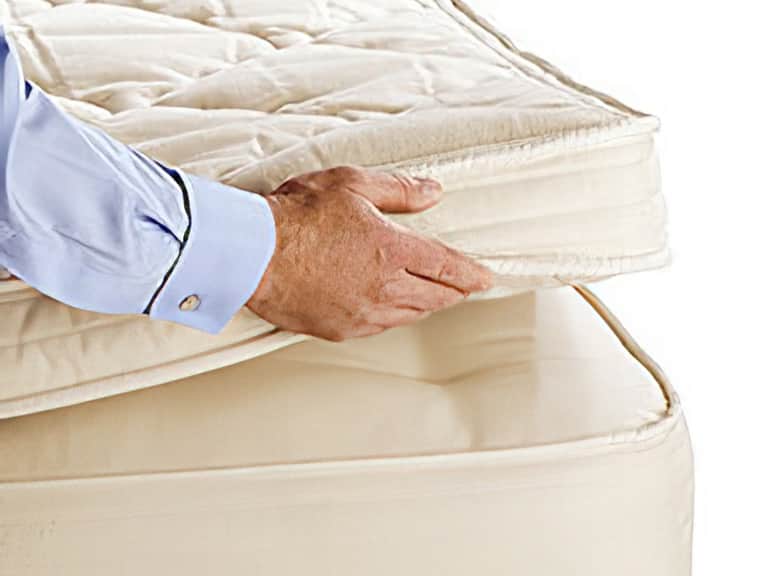
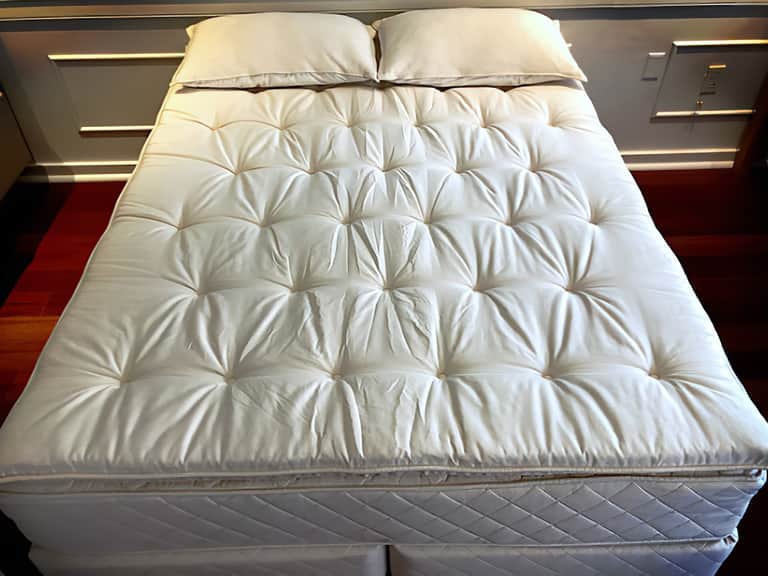
Royal-Pedic Natural Latex Pillowtop Pad
A luxurious topper that adds cushioning to the hips and shoulders, crafted with all-natural latex and a long-staple cotton cover. It sits atop the mattress to boost pressure-point relief, an essential consideration for deeper sleep stages.
Price: 2217.00 USD • Brand: Royal-Pedic
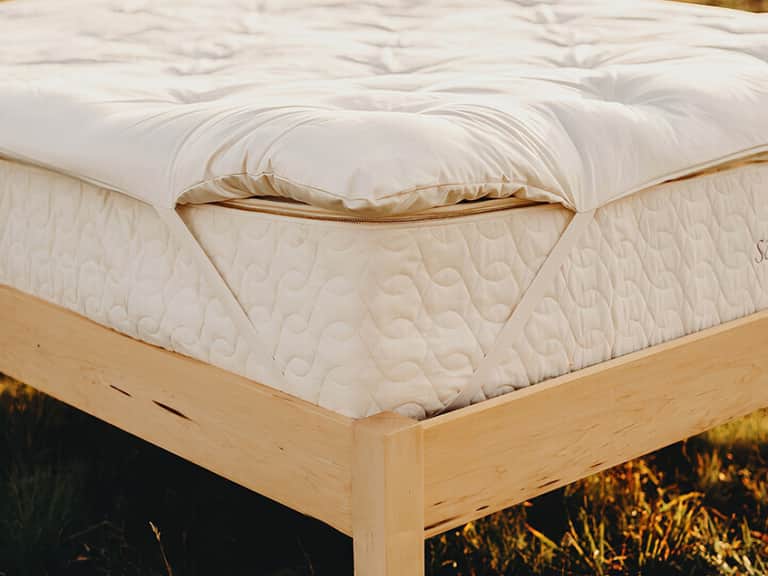
Savvy Rest Natural Savvy Woolsy Mattress Topper
A wool-centered topper that blends natural insulation with moisture-wicking comfort. Woolsy embodies the idea that the bed should actively contribute to the body's thermoregulation during the night—supportive for deep sleep and REM alike.
Price: 649.00 USD • Brand: Savvy Rest
Conclusion: Sleep as a Practice, Not a Panic
Sleep science offers a map, not a mandate. The stages of sleep—NREM’s slow-wave quiet and REM’s dream-sculpted vitality—are threads in a larger fabric that includes circadian timing, environment, and personal health. By aligning bedtime routines, light exposure, and bedding with the body’s natural rhythms, we can enhance sleep efficiency and quality. The goal isn’t perfection but a more coherent nightly performance—one that leaves us waking not only rested but ready to participate more fully in the day’s responsibilities, curiosities, and joys.
As you close this page, consider your own sleep architecture as a living system. A small shift in routine, a thoughtfully chosen pillow, or a moment of daylight exposure can yield meaningful returns in memory, mood, and immune health. The science is clear, but the practice remains intimate, personal, and, yes, utterly human.
Edited with care for readers who crave both rigor and reverie in the quiet hours.