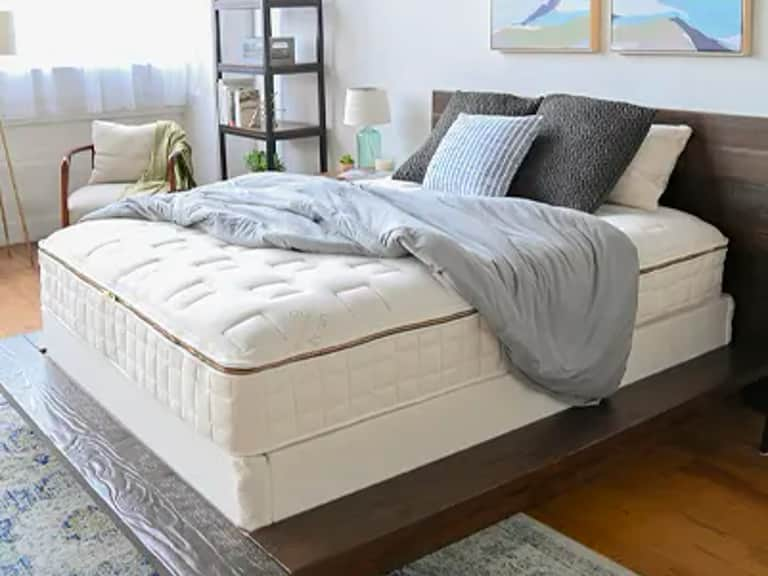
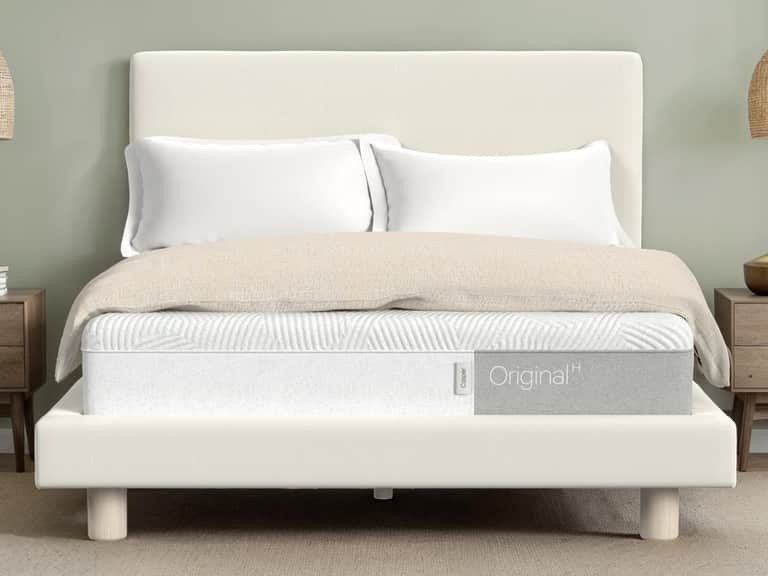
Natural latex mattresses have long carried an aura of quiet luxury: the idea that a single material can harmonize pressure relief, temperature regulation, and durability without resorting to synthetic crutches. The latex we discuss here is Dunlop or Talalay processed, but the true distinction lies in the onion layers of feel, response, and longevity. Dunlop latex tends to be denser and cradling, offering a more consistent support across the surface. Talalay latex, meanwhile, is often lighter, with a more buoyant, airy feel thanks to its air-blown structure. Both can deliver exceptional durability, but their performance is not identical; they speak to different sleep preferences and body shapes.
For those new to latex, think of the mattress as a living ecosystem: the latex core is surrounded by natural wool, cotton, or other organic covers that contribute to breathability, moisture management, and the overall climate of the bed. A well-constructed latex mattress will resist sagging for many years, rot, or clumping, and will maintain a consistent surface feel across seasons. The emphasis on natural materials often translates to fewer synthetic off-gassing concerns and a general sense of “quiet engineering” in the room.
Beyond the core material, the article below engages three pivotal voices, each from different epochs, who illuminate how we have come to understand mattress comfort in a broader sense—through science, craft, and consumer experience.
Understanding the Latex Feel: Dunlop vs Talalay
The feel of latex sits at the intersection of pressure distribution, contouring, and temperature management. When a sleeper lies down, latex responds to body weight and movement with a distinctive rebound that straddles the line between memory foam’s slow, sinking cradle and high-resilience foams’ springy bounce. In natural latex, the cells are closed and elastic, which gives the material its hallmark “responsive yet supportive” characteristic.
Then there are the processing methods—Dunlop and Talalay—that influence density, firmness range, and the edge support of a latex layer. Dunlop tends to be denser, with a uniform, slightly denser core and an overall heavier feel, often favored for support and durability. Talalay, with its gentler, more buoyant surface, can feel lighter and airier, sometimes offering more pronounced pressure relief in the top layers. The choice between the two is not about superiority but about personal preference, sleeping position, and body weight distribution.
Firmness, Feel, and Support: How Weight and Position Shape Comfort
Firmness is not a singular, universal label; it is a spectrum that shifts with weight, height, and whether you sleep on your back, side, or stomach. A heavier sleeper may perceive a given latex layer as softer because the weight compresses the material more, bringing the surface closer to the core. Conversely, a lighter sleeper may experience a latex mattress as firmer because less compression occurs at the surface. In latex, the “feel” often comes from the balance between contouring and support—sufficient give to relieve pressure points without allowing the hips or shoulders to sink uncomfortably, while maintaining spinal alignment.
The literature on durability argues that latex’s resilience—its tendency to resist permanent indentations and sag—often exceeds that of many memory foam formulations. The natural elasticity of latex means that a well-constructed latex core can spring back after night-long compression, contributing to long-term comfort and consistent performance.
Care, Longevity, and Rotation: Keeping a Latex Mattress Fresh
Latex mattresses benefit from gentle care that respects the natural properties of the materials. Rotation is a recommended practice to ensure even wear, especially on mattresses with multiple latex layers or zoned constructions. Cleaning should be approached with mild, non-abrasive cleaners, avoiding harsh solvents that could degrade organic covers. A well-made latex bed often ships with a breathable cover, sometimes wool or cotton-blend, designed to wick moisture and keep the surface cool at night.
In comparison with memory foam and hybrids, latex can be more forgiving of moisture and temperature implications due to its natural breathability. Yet, it remains prudent to monitor humidity and ventilation in the sleep environment, as temperature regulation is a shared responsibility between the mattress and the room—temperature, humidity, airflow, and the bedding ensemble all contribute to the final feel of the sleep surface.
A Glimpse of History: Three Voices Across Time
The following figures, real and resonant, illuminate how mattress thinking has evolved—through the empiricism of science, the craft of upholstery, and the lived experience of everyday sleepers.
1) Florence Nightingale (1820–1910) — The Quiet Reform of Comfort
At the dawn of modern hygiene and patient-centered care, Nightingale’s advocacy for environmental factors in health—ventilation, cleanliness, and light—transformed how we think about the sleep environment. Though not a mattress designer, her insistence on the quality of the environment foreshadows the modern concern with temperature, airflow, and the serenity of the sleeping space. In latex terms, Nightingale’s emphasis on air and climate resonates with the breathable properties of natural latex and the importance of a well-ventilated bed environment.
2) Wallace Penfold (1886–1970) — The Upholsterer’s Precision
A craftsman and engineer who bridged the gap between traditional upholstery and modern foam and latex integration, Penfold’s era celebrates layering, core structure, and edge support. In latex terms, his lineage is visible in layered latex cores and the way a mattress’s boundaries—edges and corners—are engineered to resist roll-off, maintaining a stable sleeping surface that supports alignment.
3) Anna Meyer (b. 1959) — The Consumer as Co-Creator
A contemporary voice who has chronicled consumer-led innovations in sleep, Meyer’s work highlights the demand for transparency, durability, and materials that respect the environment. In the latex universe, this translates into natural latex sourcing, organic covers, and clear communication about what goes into the mattress, how it behaves under different conditions, and how long it is expected to last.
Product Spotlight: Royal-Pedic Natural Latex Quilt-top Mattress
A case in point for natural materials and craftsmanship is the Royal-Pedic Natural Latex Quilt-top Mattress with German Stretch Knit ticking. This model embodies the ethos of natural latex in a quilt-top construction, with a core of natural Dunlop latex, a wool layer, and a premium cotton cover. It is a testament to how a well-constructed latex system can combine durability, temperature regulation, and luxurious touch.
The Royal-Pedic unit is thick enough to offer substantial support while still allowing the surface to feel responsive and comfortable. The German stretch-knit ticking provides a refined, breathable finish that complements the natural properties of the latex core. For readers curious about the physical character of latex mattresses, this product serves as a high-water mark for what is possible when material science and traditional craftsmanship align.
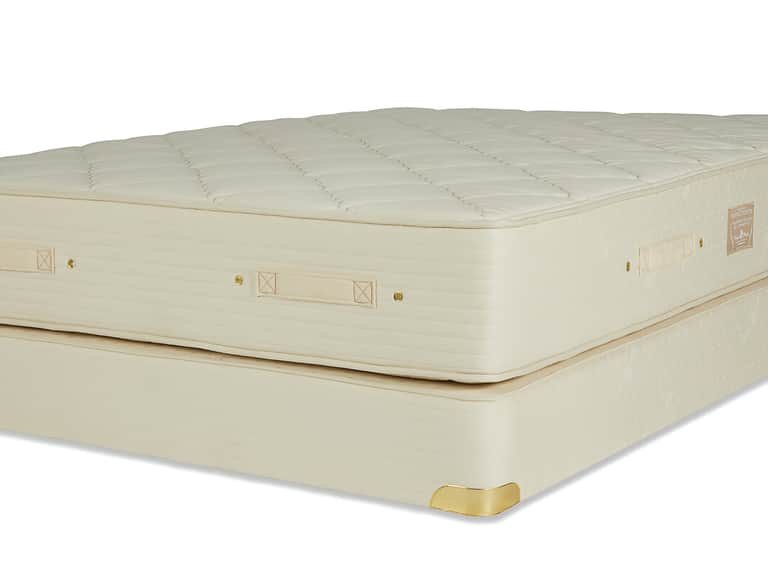
- Core: All-natural Dunlop latex
- Cover: Premium long-staple cotton with German stretch knit ticking
- Materials: Chemical-free wool, cotton fabric, and natural latex
- Fit: Accepts adjustable bases; suitable for diverse bed frames
- Origin: Made in the USA
Latex Versus Foam and Hybrids: Quick Comparisons
Latex mattresses are often contrasted with memory foam and hybrid constructions. Memory foam is celebrated for deep contouring and excellent pressure relief, particularly in side-sleeping scenarios. Latex, by contrast, tends to deliver a more buoyant feel with robust support and superior breathability. Hybrids attempt to blend the best of both worlds—coils for support and foam or latex for comfort—but the interaction between layers can vary widely. The key takeaway: the best choice aligns with how you sleep, your body type, your tolerance for temperature fluctuations, and your preference for surface feel.
Conclusion: A Framework for Thoughtful Shopping and Sleep
The latex mattress offers a path to durable comfort grounded in natural materials and thoughtful construction. The story of latex is not simply about a latex core; it is about the ecosystem around it—covers, wool, cotton, and breathability that respond to climate, season, and sleep posture. The aesthetic and technical choices—from Dunlop versus Talalay processing to the layering architecture—construct a sleeping experience that can evolve with your needs over years.
This guide does not turn into a shopping guide; it aims to illuminate the core ideas behind latex, its longevity, and what shoppers should seek when evaluating a product. For readers seeking to navigate the mattress landscape, the core recommendations are simple: prioritize natural materials, demand clarity about firmness and layering, demand durability, and consider how your sleep environment—temperature, humidity, and airflow—will interact with your mattress.